
- Physical Performance: Assessing tensile strength, tear resistance, seam slippage, and abrasion resistance for everyday durability.
- Appearance & Care: Evaluating dimensional stability (shrinkage) and colourfastness to washing, light, and perspiration.
- Chemical Compliance: Screening for restricted substances (e.g., Azo dyes, phthalates, formaldehyde) to ensure adherence to global safety regulations like REACH and CPSIA.
- Flammability Testing: Verifying that fabrics meet mandatory safety requirements for consumer, sleepwear, and protective apparel.
- Flame & Thermal Resistance: Evaluating fabric ignition, burn rates, and heat insulation for fire-resistant (FR) workwear and arc flash protection.
- High-Visibility (Hi-Vis) Compliance: Verifying chromaticity, luminance, and retroreflective performance for garments used in traffic, rail, and construction sectors.
- Mechanical Protection: Testing fabrics, reinforced seams, and padding for cut, tear, puncture, and severe abrasion resistance.
- Chemical & Biological Defence: Assessing liquid penetration, fluid repellency, and barrier performance for medical wear, hazmat suits, and lab coats.
- Physical & Mechanical Performance: Testing sole slip resistance, heel attachment strength, flex cracking, and upper material abrasion to ensure long-lasting wear.
- Safety Footwear (PPE) Compliance: Verifying impact resistance (toe caps), puncture-resistant midsoles, and static dissipation for industrial work boots (e.g., ASTM F2413, EN ISO 20345).
- Weather & Environmental Resistance: Assessing water resistance, breathability, and thermal insulation for outdoor, athletic, and performance footwear.
- Chemical Compliance: Screening leather and synthetic materials for restricted substances, including Cr VI, Azo dyes, and heavy metals, to meet global REACH and CPSIA regulations.
- Physical Durability: Testing tear strength, seam integrity, flex cracking resistance, and finish adhesion to ensure long-lasting wear.
- Appearance & Finish: Evaluating colourfastness to rubbing (crocking), water spotting, and light exposure to maintain premium aesthetics.
- Hardware & Component Testing: Assessing the tensile strength, corrosion resistance, and operational fatigue of zippers, buckles, and metal clasps.
- Chemical Compliance: Screening for restricted and hazardous substances – specifically Cr VI, Azo dyes, and formaldehyde – to meet mandatory global regulations like REACH.

Quality
Control

Vendor
Evaluation

Laboratory
Test

Consultancy
Service

What the Lululemon PFAS Case Reveals About Chemical Compliance in Apparel Supply Chains

Faithfull Tools – A top hand tools brands in the UK and Ireland trading for over 30 years
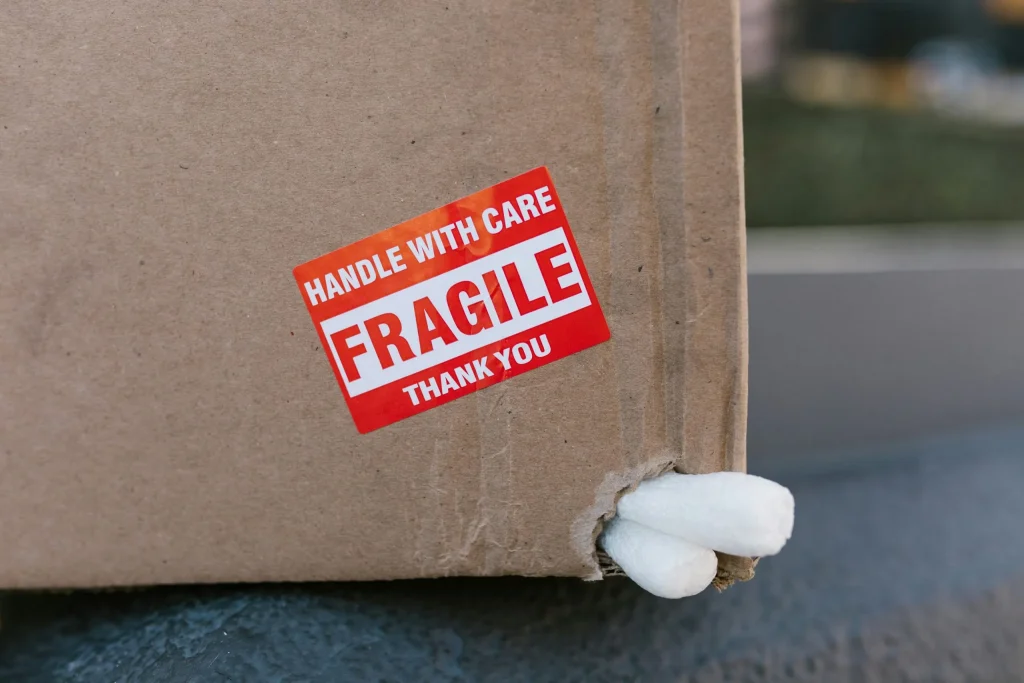
ISTA Packaging Testing – Avoid Delays & Ship Your Products with Confidence

Understanding the New BS EN 397:2025 Standard for Industrial Safety Helmets

Lighthouse Torches – One of the pioneering brands of lighting solutions in the United Kingdom